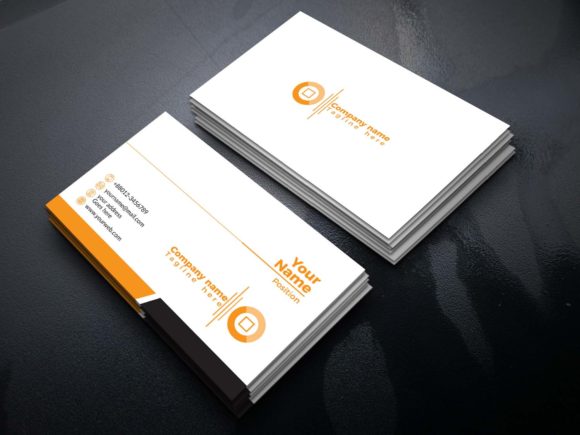
Amazing Business Card Design: 5 Modern Templates
You know the feeling. You’ve just met a potential client or collaborator, and the conversation is flowing. You’ve made a connection, and then comes the moment to exchange details. You reach into your wallet or bag and pull out a business card. In that split second, that small piece of cardstock does more than just share your contact information—it makes a statement. It tells a story about your professionalism, your attention to detail, and the very essence of your brand. A flimsy, poorly designed card can undermine a great conversation, while a thoughtful, well-crafted one can solidify a positive impression and keep you top of mind.
This is precisely why we created this collection of five amazing business card designs. We moved beyond the cluttered, overly complex templates that are hard to edit and impossible to print correctly. Instead, we focused on creating modern, clean, and versatile designs that serve as a powerful extension of your brand identity. These aren't just files; they're strategic design assets built for real-world use by entrepreneurs, marketers, and creatives who value both form and function.
The Anatomy of an Effective Business Card
What separates a forgettable card from an amazing one? It’s a blend of visual hierarchy, thoughtful typography, and practical considerations. Our templates start with a foundation of strong typographic pairing—often combining a clean sans serif font for readability with a subtle serif font or a tasteful script font for your name or a key detail. This creates immediate visual interest and guides the recipient’s eye to the most important information.
Each design is built on a 100% vector file format. This is non-negotiable for professional printing. It means the graphics and text are mathematically defined, allowing them to be scaled to any size without losing a pixel of clarity. Whether you’re printing on standard cardstock, a textured cotton paper, or even a synthetic material, the lines will be crisp and the colors will be true. We’ve set the files to the standard 3.5” x 2” print-ready size in CMYK color mode, the professional standard for full-color printing, ensuring what you see on screen is what you get from the printer.
Practicality is woven into every layer. The designs are fully editable, meaning you can easily swap out colors, adjust text, and reposition elements without wrestling with complex software locks. We’ve used free fonts, so you won’t face unexpected licensing hurdles when you go to print or use your brand digitally. The included files—Ai, EPS, and JPG—cover all your needs, from deep editing in Adobe Illustrator to quick use in a presentation or social media mockup.
Beyond First Impressions: Where These Designs Excel
The true test of a great business card design is its versatility across different industries and personalities. A freelance graphic designer might lean towards a more expressive, modern typography layout to showcase their creative flair. A financial consultant or a lawyer, however, would benefit from a design that emphasizes clarity, structure, and a sense of established trust, perhaps using a more traditional serif font pairing.
Our five templates are intentionally crafted to bridge these worlds. Consider the applications:
- Brand Identity & Consistency: Your card is a foundational piece of your brand system. The color palette and font choices here can inform your website, letterhead, and social media graphics, creating a cohesive experience.
- Marketing & Networking: At conferences, trade shows, or local meetups, a distinctive card gets remembered. It’s a physical takeaway that digital contacts can’t replicate.
- Publishing & Content Creation: For authors, bloggers, or podcast hosts, a card can reflect the tone of your work—whether it’s minimalist and literary or bold and energetic.
- Small Business & Retail: From a boutique shop to a freelance consultant, a professional card builds immediate credibility with customers and suppliers.
The designs work equally well for personal branding projects, helping crafters, artists, and hobbyists present their work with a level of professionalism that matches their skill. The key is choosing the template whose visual personality aligns with the story you want to tell.
Practical Guidance for Your Selection Process
Choosing the right template from the five is a design decision in itself. Start by defining your brand’s core attributes. Is it innovative and tech-forward? Warm and approachable? Luxurious and exclusive? Match that personality to the visual style of the card.
Next, think about font pairing. While we’ve done the work of pairing fonts that complement each other, it’s worth considering the readability of your specific information. Test how your name, title, and contact details look in the chosen typeface. Is there enough contrast between elements? Does the hierarchy feel natural? The beauty of these editable files is that you can experiment.
Don’t overlook the practicalities of production. The print-ready specifications mean you can send these files directly to a reputable printer with minimal fuss. However, it’s always wise to request a physical proof before a large run. This lets you see and feel the final product, ensuring the paper stock and finish (matte, glossy, soft-touch) align with your brand’s tactile experience.
Finally, consider the ecosystem of your brand. While the business card is a star player, it shouldn’t exist in a vacuum. Use the color codes and font names from your chosen template as a guide for other design assets. This creates a seamless transition from a handed card to a viewed website, reinforcing recognition and building a stronger, more consistent brand identity. In a crowded market, that consistency is what transforms a simple contact exchange into a lasting professional relationship.