Effortless Postcard Creation: A Multipurpose Design Template
That moment when you realize you need to send a mailer for an upcoming sale, a thank-you note to a client, or a save-the-date for an event is often accompanied by a sense of dread. The design process can feel like a bottleneck, especially when you are juggling other business responsibilities. You open your design software, stare at a blank artboard, and the creative block hits immediately. What if the heavy lifting was already done for you? Imagine having a professional framework sitting on your desktop, ready to be filled with your specific message and imagery. This is the core value of a robust Post Card Design Layout. It isn't just a static image; it is a dynamic starting point that bridges the gap between a blank canvas and a print-ready masterpiece.
The Anatomy of a Multipurpose Postcard Template
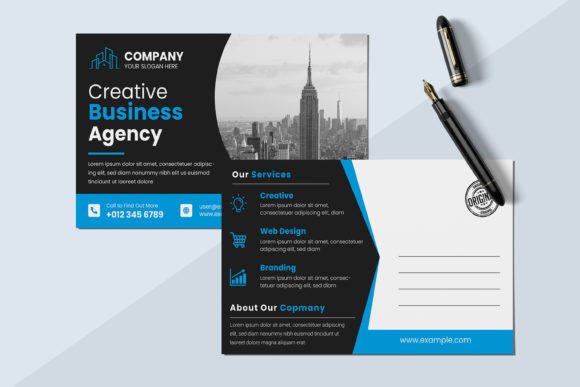
A high-quality Post Card Design Layout serves as the structural backbone of your print marketing. Visually, the best templates strike a balance between structure and flexibility. They typically feature a clean, modern typography arrangement that establishes a clear hierarchy—distinguishing the headline from the body copy and the call to action. The personality of a good layout is one of organized neutrality; it is designed to support your content rather than overshadow it. You will often see a mix of serif and sans-serif font pairings to create contrast, along with designated "safe zones" for text that keep it away from the edges.
The visual appeal lies in its adaptability. Whether the style is minimalist with plenty of white space or bold with high-contrast geometric shapes, the layout is engineered to guide the viewer's eye. It creates a flow that naturally leads from the visual hook to the informational core. This isn't about rigid constraints; it is about providing a professional framework that ensures your final product looks polished and intentional, regardless of your current design skill level.
Streamlining Your Workflow Across Formats
One of the biggest hurdles in creative work is software compatibility. A freelancer might live in Adobe Illustrator, while a small business owner might only have access to Microsoft Word. A truly versatile Post Card Design Layout eliminates this friction by providing the design assets in multiple formats. When a template includes EPS, PSD, INDD, and Word files, it democratizes the design process.
For the graphic designer, the EPS or PSD files allow for granular control over vector elements and layer management. You can tweak the kerning, adjust the color curves to match a specific CMYK color scheme, and manipulate the layout to fit a unique brand identity. For the entrepreneur or hobbyist, the Word format is a lifesaver. It allows you to create stunning postcards on the fly without needing to learn complex software. You simply replace the placeholder text with your own, drop in a photo, and the layout handles the alignment and spacing for you.
This "edit-and-go" approach is invaluable for time-sensitive projects. Think about a local bakery needing to advertise a weekend special or a content creator wanting to send out subscriber gifts. They don't have time to design from scratch. By using a Post Card Design Layout, they streamline their workflow, ensuring that the design phase takes minutes, not hours, leaving more time for printing and distribution.
Strategic Applications for Marketing and Branding
While the technical specs are important—like the print-ready nature of the document and the inclusion of trim and bleed guidelines—the strategic application is where the magic happens. A postcard is a tactile piece of marketing. In a digital-first world, physical mail can cut through the noise, but only if it looks professional.
For Direct Mail Campaigns: A well-structured layout ensures your message is readable even if the recipient only glances at it for three seconds. The hierarchy established by the template helps emphasize the offer or the call to action, driving better conversion rates.
For Client Appreciation: Sending a physical thank-you note builds immense goodwill. Using a premium Post Card Design Layout elevates this gesture. It signals that you value the relationship enough to invest in quality editorial design. It moves the interaction from a generic email to a branded experience.
For Event Promotion: Whether it’s a workshop, a networking event, or a pop-up shop, the postcard acts as a physical invitation. The layout allows you to balance the visual excitement of the event with the necessary logistical details (date, time, location) without creating visual clutter.
Evaluating and Customizing Your Design Assets
When you download a Post Card Design Layout, you are acquiring a set of design assets that require your input to become unique. The first step is evaluating the fit. Does the personality of the layout match your brand? If you are a law firm, a playful, handwritten font style might not be the right fit, whereas a wedding planner would find it perfect.
Customization is key. Because the files are 100% editable, you should treat the template as a starting point. Don't be afraid to swap out the suggested free fonts for your own brand typefaces if you have them. If you stick with the provided fonts, the included help file documentation usually links directly to where you can download them, ensuring your file opens correctly.
Consider the imagery. The layout might look great with the stock photography used in the preview, but you need to ensure it works with your own photos. Does the layout offer enough negative space for a busy image? Or is it designed for a clean, centered product shot? Testing your content within the frame is crucial before sending it to the printer.
Finally, respect the technical constraints. The CMYK color scheme is non-negotiable for offset printing; sending an RGB file will result in dull, muddy colors. Use the trim and bleed guidelines to ensure no critical text gets cut off during the finishing process. By paying attention to these details, you transform a simple template into a powerful tool for recognition and engagement, ensuring your postcards land in mailboxes looking exactly as intended.